Gum Disease Treatment (Flap Surgery) in Mulund West
Medically reviewed by Dr. Aditi Jain, BDS, MDS · Periodontist & Oral Implantologist · with 15 years of experience·Last reviewed 11 June 2026
Gum flap surgery is a minor periodontal procedure that gently lifts the gum away from the teeth so the dentist can deep-clean the root surfaces and bone underneath, where advanced gum disease has taken hold. At Surekha Dental Clinic in Mulund West, Mumbai, this treatment is led by periodontist Dr. Aditi Jain and carried out under local anaesthetic, so you should feel little to no pain during the procedure. Flap surgery suits anyone whose gum pockets have grown too deep for a normal cleaning to reach, often with loose teeth, bleeding or shrinking gums. By cleaning out the infection at its source and closing the gums snugly again, flap surgery is designed to settle the disease and protect the bone that holds your teeth in place. If a scale and polish has not been enough, our friendly team is here to help.
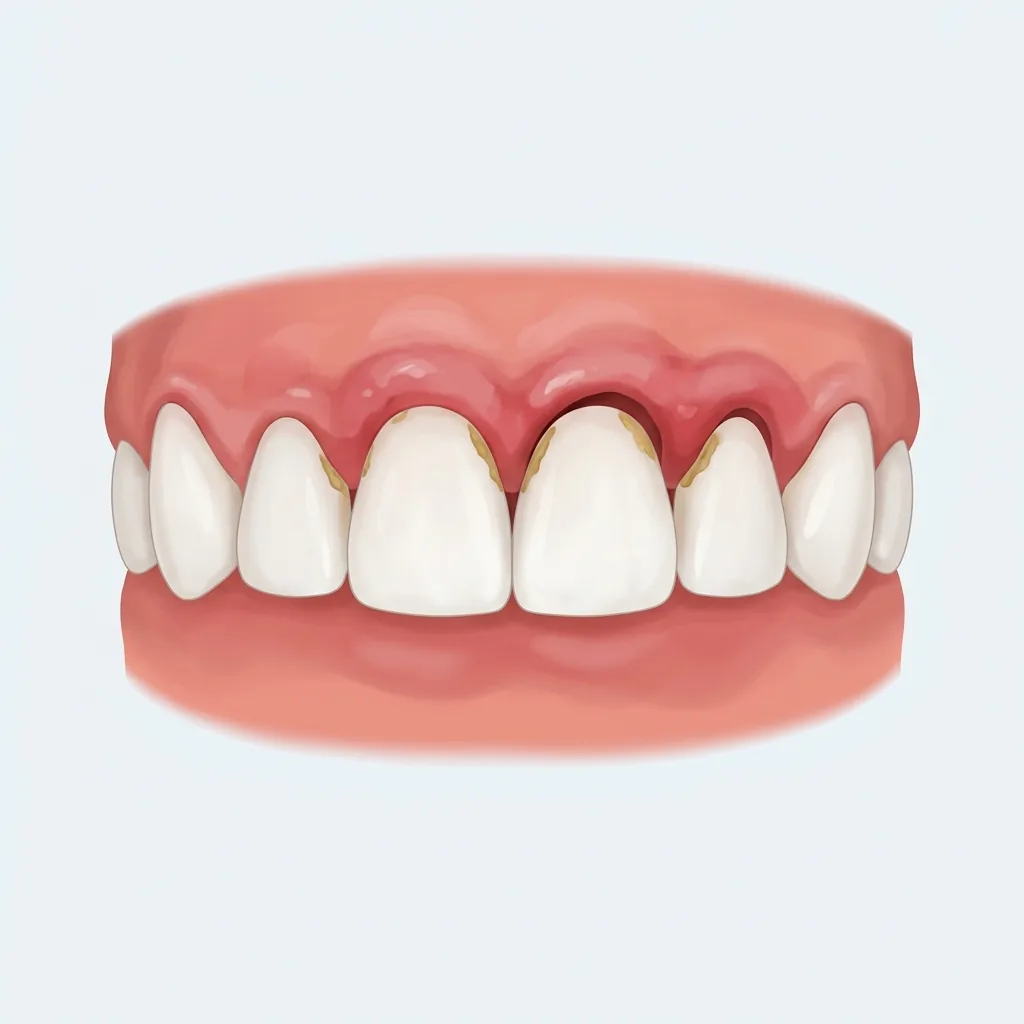
Advanced gum disease often builds quietly, so it helps to know the warning signs. See a periodontist if any of the following do not settle, as treating deep gum pockets early protects the bone around your teeth.
Gums that bleed easily when you brush or floss, or look red, puffy and tender
Gums that have pulled back, making your teeth look longer than they used to
Persistent bad breath or a bad taste that does not clear after brushing
Teeth that feel loose, have shifted, or no longer meet the way they used to
Pus or a small lump near the gum line, which can signal trapped infection
Deep gum pockets that a routine scale and polish has not been able to settle
Step by step
Here is exactly what happens during your gum flap surgery, step by step.
1Step 1 of 4
How does the dentist numb the gums and open the flap?
Your gum flap surgery at Surekha Dental Clinic starts with making the whole area completely comfortable. A local anaesthetic is given around the affected teeth, which blocks the nerve signals from the gums, so you should feel little to no pain during the procedure, only gentle pressure. Most people just notice that side of the gum feeling a little heavy. Once you are fully numb, the periodontist uses a small, precise surgical blade to make a careful cut along the gum line, outlining the section of gum that will be eased back. This neat incision is what lets the gum be lifted cleanly in the next step, giving the dentist a clear view of the roots and bone that deep cleaning alone cannot reach. Your comfort is checked throughout.
2Step 2 of 4
How are the roots deep-cleaned during gum flap surgery?
With the area numb, the periodontist gently lifts the gum flap away from the bone using a thin instrument called an elevator, exposing the root surfaces that have been hidden beneath the gum. This is the step that does the real work, because the dentist can now see and reach the tartar and infected tissue trapped in the deep pockets, which no toothbrush or routine cleaning could clear. The exposed roots are carefully scaled and debrided, lifting away the hardened deposits and diseased tissue where the bacteria collect. Clearing the infection at its source is what gives your gums the chance to settle and reattach to clean roots. As everything is numb, you should feel only pressure and movement, nothing sharp, while the dentist works patiently around each tooth.
3Step 3 of 4
What happens if the bone needs a graft?
Sometimes gum disease has worn away part of the bone that supports a tooth, leaving a small defect. Where this is the case, the periodontist packs a bone-graft material gently into the gap to encourage new bone to form over the coming months. A thin collagen membrane is then placed over the graft to hold it in position and protect it while it settles. This step is only done when the bone genuinely needs it, and the dentist will explain whether yours does before going ahead. Rebuilding lost support this way helps give a loose tooth a firmer foundation over time. Because the area is numb throughout, you should feel only mild pressure, and the graft is tucked neatly out of sight before the gum is closed.
4Step 4 of 4
How is the gum closed and stitched for healing?
Once the roots are clean and any graft is in place, the final step is to close the gum so it can heal snugly against the teeth. The periodontist repositions the gum flap back over the bone, settling it into a clean, healthy position, and places a few neat sutures, or stitches, to hold the edges together while they knit. Closing the gum this way protects the cleaned area, reduces the depth of the pockets, and lets the tissue reattach to roots that are now clean. The area may feel a little tender for a day or two, which is normal as it recovers. Most stitches dissolve on their own or are removed at a short follow-up sitting, and the team will give you clear aftercare advice before you leave.
Frequently asked questions about gum flap surgery
Is gum flap surgery painful?
No, gum flap surgery is not the painful experience many people fear. It is carried out under local anaesthetic, so you should feel little to no pain during the procedure, just gentle pressure and movement. Most patients manage the days afterwards with simple painkillers and the aftercare advice we give you.
How much does gum flap surgery cost in Mumbai?
The cost depends on how many teeth are involved, how deep the pockets are, and whether a bone graft and membrane are needed. There is no single fixed price. Please call Surekha Dental Clinic on +91 98334 88847 or use the booking form, and a written cost is provided after a short examination, with no obligation to proceed.
How long does it take to recover after flap surgery?
Most patients feel back to normal within a few days. Mild soreness and a little swelling are normal at first and settle as you heal. Stick to softer foods, avoid very hot or spicy items for the first few days, and follow the aftercare advice from Surekha Dental Clinic. Stitches dissolve or are removed at a short follow-up sitting.
Who is gum flap surgery suitable for?
Flap surgery suits anyone whose gum pockets have grown too deep for a routine cleaning to reach, often with bleeding, loose teeth or receding gums. After examining your gums, periodontist Dr. Aditi Jain, BDS, MDS will tell you whether surgery is the right step or a non-surgical clean is enough.
Will flap surgery cure my gum disease for good?
Flap surgery is designed to clear the deep infection and help your gums settle and reattach to clean roots. Most patients see the bleeding and swelling improve as they heal. Keeping up gentle brushing, flossing and regular check-ups is what helps protect the result and keep the gum disease from coming back.
Is gum flap surgery safe?
Yes, gum flap surgery is a well-established periodontal procedure carried out under local anaesthetic by a periodontist. As with any minor surgery there is some soreness and swelling as you heal, which the aftercare advice helps manage. The team at Surekha Dental Clinic will talk you through what to expect before you begin.