Medically reviewed by Dr. Aditi Jain, BDS, MDS · Periodontist & Oral Implantologist · with 15 years of experience·Last reviewed 11 June 2026
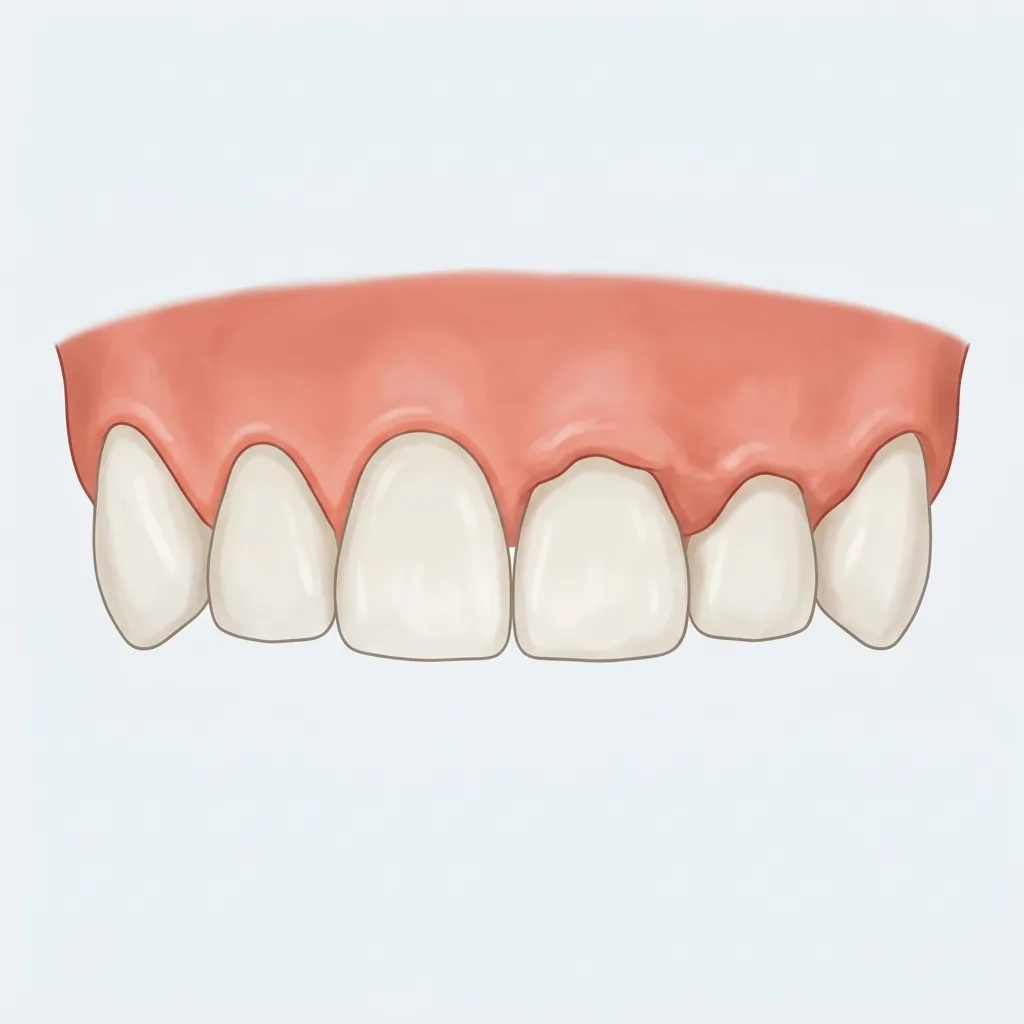
Crown lengthening is a minor gum surgery that reshapes the gum, and sometimes a little bone, to expose more of a tooth, either to even out a gummy smile or to give a filling or crown enough healthy tooth to hold onto. At Surekha Dental Clinic in Mulund West, Mumbai, crown lengthening is led by periodontist Dr. Aditi Jain and carried out under local anaesthetic, so you should feel little to no pain during the procedure. It suits people whose teeth look short because the gums sit too low, and anyone who needs a damaged or heavily decayed tooth prepared before a cap can be fitted. If you are weighing it up, our friendly team is here to explain whether it is right for you.
Healthy gums are firm, pale pink and do not bleed. See a dentist if you notice any of the following, as gum problems caught early are usually simpler to treat.
Gums that bleed when you brush, floss or eat
Gums that look red, swollen or shiny, or feel tender to touch
Gums that have pulled back, making teeth look longer than before
Persistent bad breath or a bad taste that brushing does not clear
Teeth that feel loose, or a bite that has started to feel different
Teeth that look short or uneven because the gums sit too low over them
Step by step
Here is exactly what happens during your crown lengthening, step by step.
1Step 1 of 4
How does the periodontist numb the area and plan the new gum line?
Your crown lengthening starts with making the area completely comfortable and planning exactly where the new gum line should sit. A small injection of local anaesthetic is given around the teeth, so the gum and tooth feel fully numb for the rest of the sitting. Most people only notice their lip or cheek feeling a little heavy. Once you are comfortable, the periodontist studies how the gum meets each tooth and marks the new gum line as a precise guide for the surgery. This planning matters, because it is what keeps the finished gum line even and natural-looking rather than left to chance. With the guide marked out, the periodontist can begin reshaping the gum in the next step.
2Step 2 of 4
How is the excess gum tissue trimmed and reshaped?
With the new gum line marked and the area numb, the periodontist gently trims away the excess gum tissue that has been covering too much of the tooth. A small surgical blade follows the guide line closely, removing a thin band of gum so that more of the natural tooth shows. Because the area is fully numb, you should feel only light pressure, nothing sharp. If your teeth simply look short because the gum sits low, this reshaping may be all that is needed. Where a tooth needs extra length for a filling or a cap to grip, the periodontist moves on to the bone in the next step. Either way, this is the step that begins to reveal a longer, more even tooth.
3Step 3 of 4
Why is a small amount of bone removed around the tooth?
When a tooth needs more length to hold a filling or a cap, a little of the bone around it is gently lowered so the gum can settle at its new level. The periodontist lifts a small flap from the trimmed gum to reach the bone underneath, then uses a fine bur to remove a small amount of bone and smooths the edge so it sits evenly. As the area is numb, you should feel only mild pressure. Reshaping the bone gives the tooth enough firm, healthy structure above the gum for a crown, or cap, to grip properly, which helps the final restoration last. With the bone shaped and smoothed, the periodontist is ready to close the gum back over it in the final step.
4Step 4 of 4
How is the gum repositioned and closed after the surgery?
To finish, the gum is settled back at its new, lower level and held in place so it can heal cleanly. The periodontist repositions the gum flap neatly around the tooth at the level planned in the first step, then secures it with a few fine sutures, or stitches. These hold the tissue steady while it knits back to the tooth and bone over the following days. You may feel some mild soreness as the anaesthetic wears off, and it usually eases with simple painkillers. The team will show you how to keep the area clean, then check the healing and remove the stitches when needed. Once the gum has settled, the tooth looks longer and is ready for any planned crown or filling.
Frequently asked questions about crown lengthening
Does crown lengthening hurt?
No, crown lengthening is not the painful experience many people imagine. It is carried out under local anaesthetic, so you should feel little to no pain, just gentle pressure. Some mild soreness afterwards is normal as the numbness wears off, and it usually settles with simple painkillers and the aftercare advice we give you.
How long does crown lengthening take to heal?
Most patients find the gum feels comfortable within a few days, while the deeper healing of the gum and bone settles over a few weeks. If a crown or filling is planned, the periodontist usually waits for the gum to settle at its new level before fitting it, so the result looks even. The team will guide you on timing.
Is crown lengthening safe?
Yes. Crown lengthening is a well-established gum surgery, and at Surekha Dental Clinic it is carried out by periodontist Dr. Aditi Jain, BDS, MDS, who treats gum and bone every day. It is done under local anaesthetic with careful planning. As with any minor surgery there can be mild soreness and swelling, which the aftercare advice helps you manage.
Who is crown lengthening suitable for?
Crown lengthening helps two kinds of patients: those whose gums sit low over the teeth and make the smile look gummy, and those with a heavily decayed or broken tooth that needs more sound structure before a filling or cap can grip. After a short examination, the periodontist will tell you whether it is right for you.
How much does crown lengthening cost in Mumbai?
The cost of crown lengthening depends on how many teeth are involved, whether bone needs reshaping as well as the gum, and any crown or filling planned afterwards. For a clear estimate, please call Surekha Dental Clinic on +91 98334 88847 or use the booking form. A written cost is provided after a short examination, with no obligation to proceed.
Will my gums look natural afterwards?
Yes, that is the aim. The new gum line is marked out as a precise guide before any tissue is trimmed, so the finished gums follow an even, natural curve. Most patients find their teeth look longer and more balanced once the gum has healed at its new level. The periodontist plans each case around your own smile.