Dental Abscess and Infection Treatment in Mulund West
Medically reviewed by Dr. Aditi Jain, BDS, MDS · Periodontist & Oral Implantologist · with 15 years of experience·Last reviewed 9 June 2026
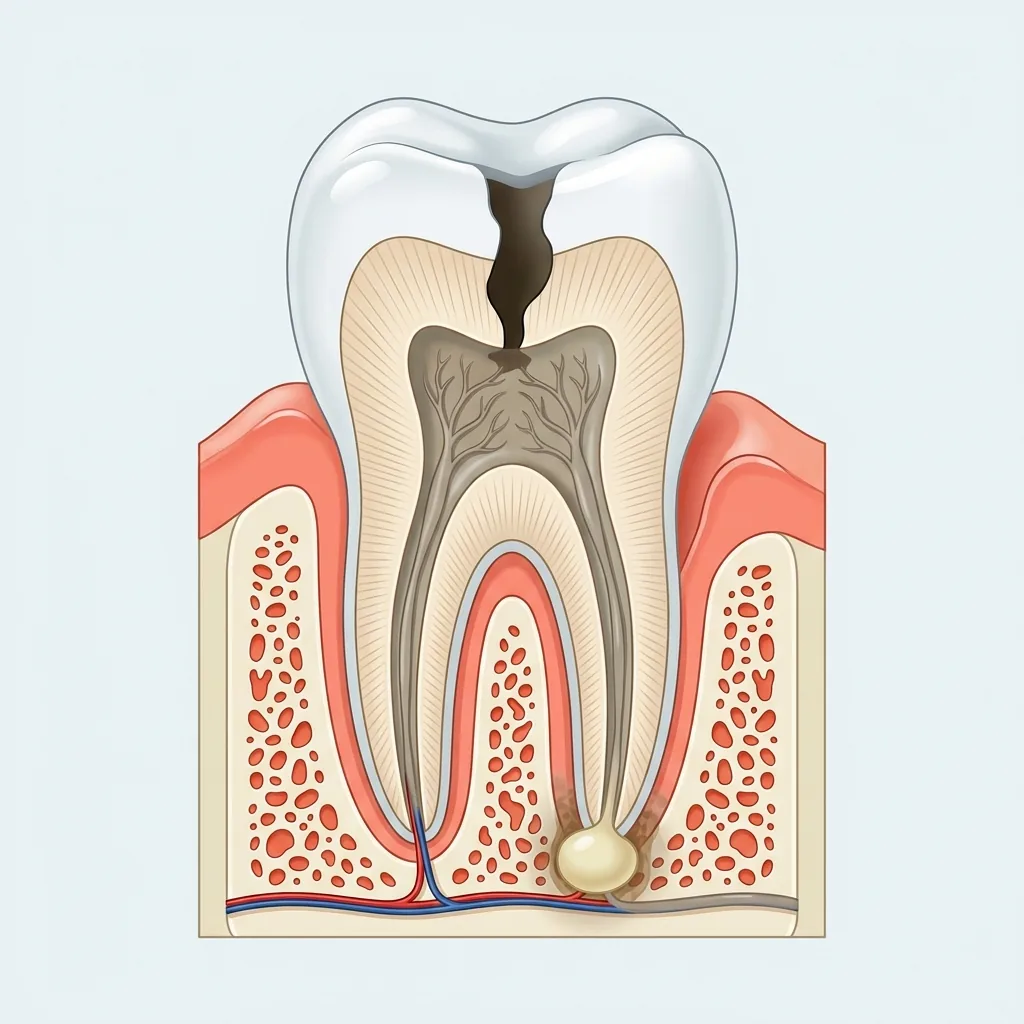
A dental abscess is a pocket of pus caused by a bacterial infection in or around a tooth, and the treatment drains that infection and removes its source so the pain and swelling settle. At Surekha Dental Clinic in Mulund West, Mumbai, dental abscess treatment is carried out under local anaesthetic, so you should feel little to no pain while we release the trapped pus, disinfect the area and dress the tooth. The treatment suits anyone with a swollen, throbbing tooth or a gum boil that needs prompt relief, and early care usually keeps things simpler. A dental abscess does not clear on its own, so if your face or gum is swollen and sore, our friendly team is here to help you feel comfortable quickly.
When should you see a dentist for a dental abscess?
A dental abscess is an infection that needs prompt care, so see a dentist quickly if you notice any of the following. Seek urgent help if swelling spreads towards your eye or throat or makes breathing or swallowing difficult.
A severe, throbbing toothache that may spread to your jaw, ear or neck
Swelling in your gum, face or cheek, sometimes with a tender lump
A small pimple-like bump on the gum that may leak pus and leave a bad taste
Sensitivity or sharp pain when biting, chewing or touching the tooth
Fever, feeling generally unwell, or tender, swollen glands in your neck
Difficulty opening your mouth, swallowing or breathing, which needs urgent care
Step by step
Here is exactly what happens during your dental abscess treatment, step by step.
1Step 1 of 4
How does the dentist numb the tooth and swollen area?
Treating a dental abscess at Surekha Dental Clinic starts with making the sore area comfortable. A small injection of local anaesthetic is given around the affected tooth and the swollen gum, which blocks the nerve signals from that area. Within a few minutes the tooth and gum feel numb, so you should feel little to no pain while we work, just mild pressure. Numbing an inflamed, infected area can take a little longer than usual, so the dentist checks that you are fully comfortable before starting. Most people only notice their lip or cheek feeling a little heavy. Once you are settled and the area is numb, the dentist can gently release the trapped infection that is causing your pain, which is the next step.
2Step 2 of 4
How is the trapped pus drained and the area disinfected?
With the area numb, the dentist makes a small incision in the swollen gum to release the trapped pus from the abscess. Letting this built-up pressure out is what gives you the biggest, fastest relief, because the pocket of infection that has been throbbing against the tissue is finally drained. The opened area is then rinsed clean with a gentle antibacterial solution to wash the infection away and lower the bacterial load. As the area is numb, you should feel only mild pressure and a sense of release, nothing sharp. This step calms the swelling and the throbbing ache that brought you in. Once the abscess has been drained and cleaned, the dentist checks whether the infection is also coming from inside the tooth.
3Step 3 of 4
How does the dentist relieve pressure from inside the tooth?
Sometimes the infection sits inside the tooth itself, in the soft tissue called the pulp. If that is the case, the dentist makes a small access opening through the chewing surface of the tooth to reach the pulp chamber. This lets the pressure that has built up inside escape, which eases the deep, throbbing ache that an infected tooth can cause. Because the tooth is numb, you should feel only mild pressure while this opening is made, nothing sharp. Relieving the internal pressure settles the pain and helps the infection start to clear. Not every abscess needs this step, only the ones where the tooth is the source, and the dentist will explain whether yours does before moving on to dress and protect the tooth.
4Step 4 of 4
What is placed inside the tooth before you leave?
Once the infection has been drained and the pressure relieved, the dentist places a small antibiotic dressing inside the tooth to keep settling the infection. The tooth is then closed with a temporary filling material, which seals the opening and keeps food and bacteria out until your follow-up sitting. This temporary seal protects the cleaned tooth while it calms down and lets you eat and go about your day more comfortably. The follow-up sitting is often the start of a root canal, which clears the remaining infection and saves the tooth long term. The dentist will explain your next step and give you simple aftercare advice, so you leave knowing exactly what happens next and feeling far more comfortable than when you arrived.
Frequently asked questions about dental abscess treatment
Is dental abscess treatment painful?
No, draining a dental abscess is not the painful experience many people fear. It is carried out under local anaesthetic, so you should feel little to no pain, just mild pressure. In fact, releasing the trapped pus relieves the throbbing pain that the abscess has been causing.
Will a dental abscess go away on its own?
No, a dental abscess does not clear on its own and should not be ignored, even if the pain eases for a while. The infection can spread and become serious. The trapped pus needs to be drained and the source treated by a dentist, so please book an appointment promptly at Surekha Dental Clinic.
How much does dental abscess treatment cost in Mumbai?
The cost of dental abscess treatment depends on the size of the abscess, whether drainage alone is needed or the tooth must be opened, and whether follow-up care such as a root canal is required. For a clear estimate, please call Surekha Dental Clinic on +91 98334 88847 or use the booking form.
Do I need antibiotics for a dental abscess?
Antibiotics alone do not cure a dental abscess, because they cannot reach the trapped pus, so drainage by a dentist is the key treatment. An antibiotic dressing may be placed inside the tooth, and tablets are sometimes prescribed if swelling has spread. The dentist at Surekha Dental Clinic will advise what is right for you.
What happens after the abscess is drained?
After the abscess is drained, the tooth is usually sealed with a temporary filling and you are given aftercare advice. A follow-up sitting is often arranged, frequently to begin a root canal that clears the remaining infection and saves the tooth. In some cases the tooth may need to be removed instead.
Can I go to work after dental abscess treatment in Mulund West?
Most people return to their normal day after abscess treatment, though your lip and cheek may feel numb for a couple of hours and the area can be a little tender. Chew gently on the other side for a while. The team at Surekha Dental Clinic will give you specific aftercare advice before you leave.