Medically reviewed by Dr. Aditi Jain, BDS, MDS · Periodontist & Oral Implantologist · with 15 years of experience·Last reviewed 31 May 2026
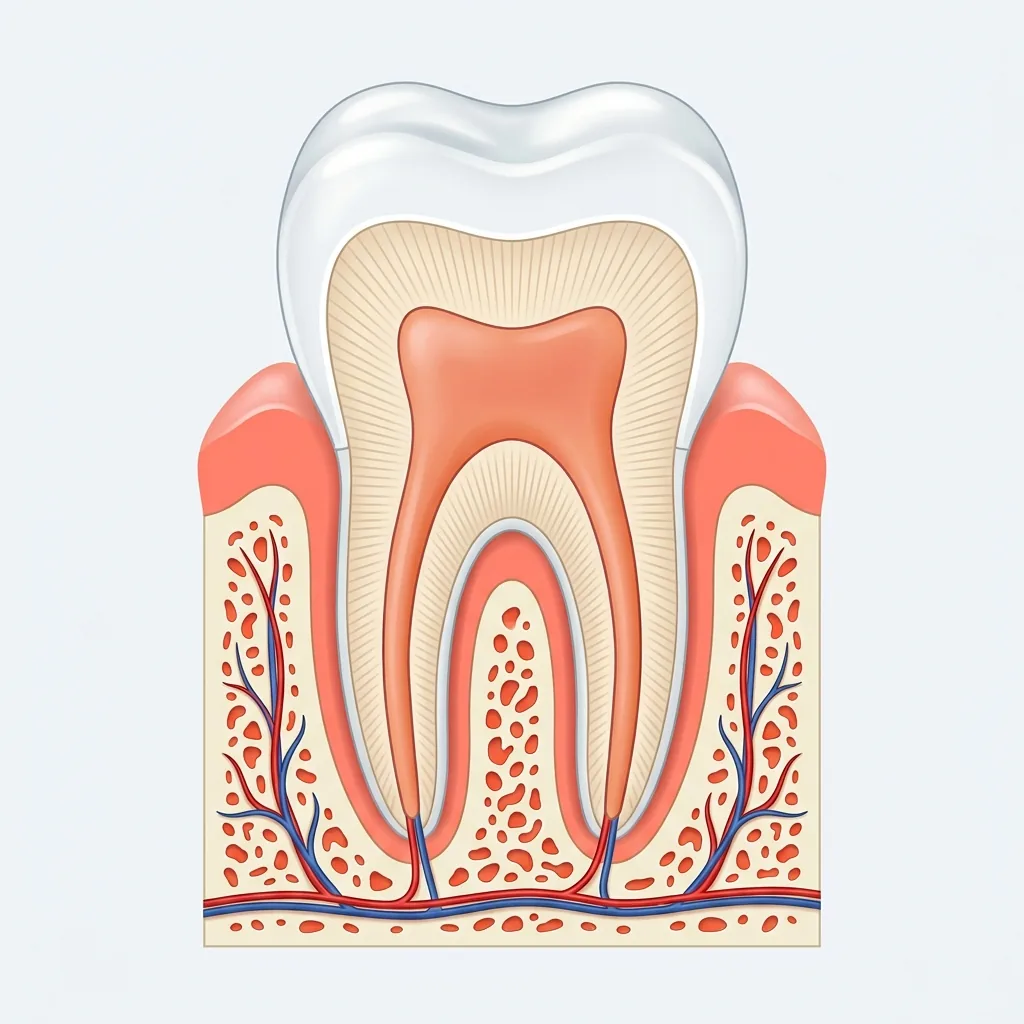
Root canal treatment is a procedure that removes the infected pulp from inside a tooth, then cleans, fills and seals it so your natural tooth can be saved instead of removed. At Surekha Dental Clinic in Mulund West, Mumbai, root canal treatment (also called endodontic treatment, or RCT) is carried out under local anaesthetic, so you should feel little to no pain. In fact, it is the treatment that stops the pain coming from a deeply decayed or infected tooth. Root canal treatment suits anyone with a badly infected or damaged tooth that can still be saved, and can often be completed in a single sitting, depending on the tooth. The treated tooth is usually capped with a tooth-coloured crown afterwards to restore its strength. If you are dealing with severe toothache, our friendly team is here to help you feel comfortable from the first sitting.
What are the warning signs that you may need a root canal?
See a dentist promptly if you notice any of the following, because catching an infected tooth early usually means a simpler, single-sitting procedure at Surekha Dental Clinic.
Severe, throbbing toothache that does not go away or gets worse when you lie down
Prolonged tooth sensitivity to hot or cold that lingers for more than a few seconds after the source is removed
Sharp pain when biting or chewing, even on soft foods
A small pimple-like bump (dental abscess) on the gum near the sore tooth
Darkening or greyish discolouration of a single tooth compared with the teeth around it
Swelling or tenderness in the jaw or the gum tissue surrounding the tooth
Step by step
Here is exactly what happens during your root canal treatment, step by step.
1Step 1 of 4
How does the dentist numb and prepare the tooth?
Your root canal at Surekha Dental Clinic starts with making the tooth completely comfortable. A small injection of local anaesthetic is given near the tooth, which blocks the nerve signals from that area. Within about two to three minutes the tooth and the gum around it feel fully numb, so you should feel little to no pain during the rest of the sitting. Most people only notice their lip or cheek feeling a little heavy. Once you are comfortable, a thin sheet of soft rubber called a rubber dam is gently clipped around the tooth so only its top shows. This keeps the area clean and dry and stops any small instruments or rinse from reaching the rest of your mouth.
2Step 2 of 4
How is the infected pulp removed and the canals cleaned?
Once the tooth is fully numb, the dentist makes a small opening in its biting surface to reach the soft tissue, called the pulp, inside. Using very fine, flexible files, they clean the infected pulp out of each narrow canal and shape the walls so they are smooth. Each canal is then rinsed with a gentle antibacterial solution (sodium hypochlorite) to wash the infection away. This is the step that relieves your toothache, because the source of the pain inside the tooth is being removed. As the tooth is numb, you should feel only mild pressure, nothing sharp. The dentist works patiently, one canal at a time, so the inside of the tooth is left clean and ready to be sealed in the next step.
3Step 3 of 4
How are the cleaned root canals filled and sealed?
With the canals clean, the next job is to seal them so the infection cannot come back. Each canal is dried and then filled with gutta-percha (a soft, rubbery, plant-based material that has been used safely inside teeth for over a hundred years), along with a thin layer of sealer. The filling is packed gently from the tip of the root right up to the opening, leaving no empty space where bacteria could collect. Sealing the root canals completely is what keeps bacteria from re-entering the tooth, protecting the treated tooth long term. Once this is done the inside of your tooth is safe, and the dentist can move on to restoring the outside with a crown.
4Step 4 of 4
Why is a crown placed after root canal treatment?
After a root canal the treated tooth can become a little more brittle, because it no longer has the inner blood supply that kept it flexible. To restore its strength, a tooth-coloured crown (often simply called a cap) is fitted over the top. The crown can be made of zirconia or porcelain-fused-to-metal (PFM); the dentist will suggest the right one depending on whether it is a front or back tooth and how much chewing it has to do. Either way it is colour-matched, so your smile still looks natural. A well-cared-for crown typically lasts ten to fifteen years. This is why a root canal and a crown are usually planned together, as the crown is what lets your saved tooth chew and last for years to come.
Frequently asked questions about root canal treatment
Is root canal treatment painful?
No, a root canal is not the painful experience many people fear. It is carried out under local anaesthetic, so you should feel little to no pain, just mild pressure. In fact, the treatment relieves the pain caused by the infected tooth.
How much does root canal treatment cost in Mumbai?
The cost of a root canal depends on which tooth is involved, how many canals it has, whether it is a front or back tooth, and whether it is done in a single sitting or more. A crown to cap the treated tooth is usually a separate cost. For a clear estimate for your specific tooth, please call Surekha Dental Clinic on +91 98334 88847 or use the booking form. A written cost is provided after a short examination, with no obligation to proceed.
Can a root canal be done in a single sitting?
Often, yes. Many teeth can be treated comfortably in a single sitting at Surekha Dental Clinic, while others with more infection may need a second one. After examining your tooth, Dr. Aditi Jain, BDS, MDS will tell you how many sittings it is likely to need.
Do I need a crown after a root canal?
Usually, yes. A treated tooth can become brittle, so a tooth-coloured ceramic crown, or cap, is cemented over it to restore strength and protect it. This is why root canal and crown are normally planned together, as the crown lets you chew normally and helps the saved tooth last.
Is a root canal better than tooth extraction?
A root canal is designed to save your natural tooth rather than remove it, so it is usually preferred whenever the tooth can still be saved. Keeping your own tooth protects your bite and neighbouring teeth. The team at Surekha Dental Clinic can examine the tooth and advise whether saving it is right for you.
Can I eat after a root canal treatment?
Wait until the numbness from the anaesthetic has fully worn off before eating, so you do not bite your cheek or tongue. Until the crown is placed, chew gently on the other side. The team at Surekha Dental Clinic will give you specific aftercare advice for your tooth before you leave.